Rev Up Your Ride: The Essential Guide to Car Upkeep
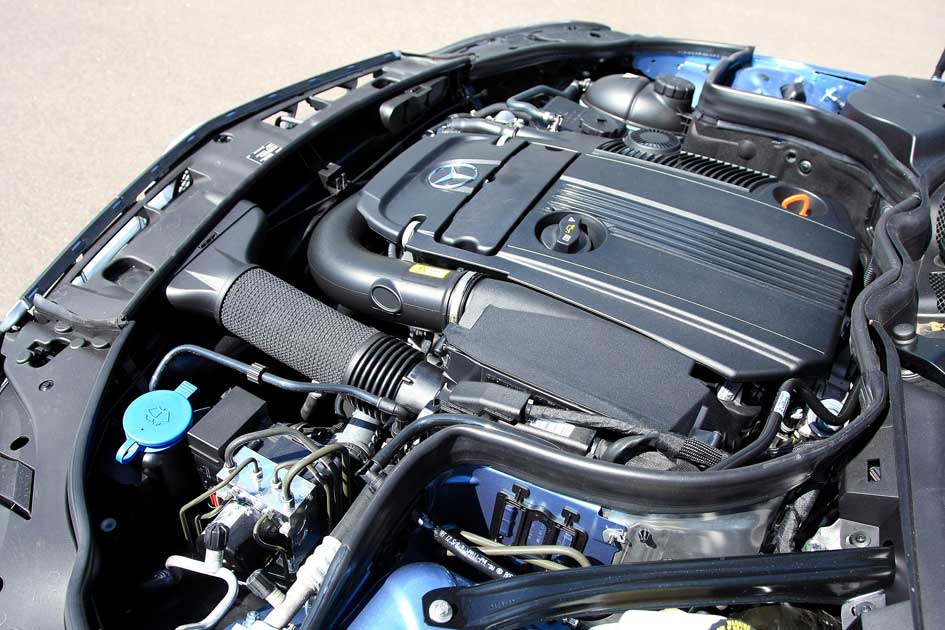
A car is more than just wheels and an engine, and it’s not just a mere transportation that gets you from one destination to another. Keeping the car maintained shouldn’t be much of a headache and should not make that much of a dent in your wallet. On an average, a vehicle owner can expect to pay about $400 a year on scheduled maintenance, diagnostics, and other repairs. Sounds like a problem? Not really. In this comprehensive guide, we'll show you how to keep your vehicle in perfect condition, ensuring safety and reliability on the road.
Make sure these are checked off on your list
Stick to Regular Maintenance: Follow your car's recommended maintenance schedule. This includes routine tasks like oil changes, fluid checks, and tire rotations. Regular maintenance catches problems early, saving you money in the long run.
Act Promptly on Warning Signs: Don't ignore strange noises, dashboard lights, or other warning signs. Addressing issues early prevents them from becoming bigger, more expensive problems later on.
Things to know about your car
Cooling System/Thermostat. The "cooling system function indicator" in a car is a warning light that tells you if something's wrong with how your engine stays cool. It might mean:
1. Low coolant: Not enough liquid to keep the engine cool.
2. Coolant leak: Liquid leaking out of the system.
3. Broken thermostat: Engine getting too hot because of a faulty part.
4. Cooling fan problem: Fan not working right, so the engine can't cool down.
5. Water pump issue: Part that moves coolant around isn't working.
When this light comes on, it's important to stop safely, let the engine cool, and check for problems. If you're not sure what to do, it's best to ask a mechanic for help.
Battery Indicator Light. The battery indicator light in your car alerts you if there's a problem with the battery or charging system. It usually means:
1. The battery is low or failing.
2. The alternator, which charges the battery, might not be working.
3. There could be loose or damaged connections.
If this light comes on, it's best to have a mechanic check your car to fix the issue before your battery dies.
Oil Pressure Indicator. The oil pressure indicator in your car warns you if there's a problem with the engine's oil pressure. It usually means:
1. Not enough oil in the engine.
2. The oil pump might not be working.
3. There could be an oil leak.
4. The oil filter might be clogged.
If this light comes on, stop your car safely and check the oil level. Driving with low oil pressure can damage the engine. It's best to have a mechanic inspect your car to fix the problem.
Brake Light Warning. The brake light warning in your car tells you if there's a problem with the brakes. It could mean:
1.The brake fluid is low.
2. Something's wrong with the brake system, like worn brake pads or a leak.
3. The emergency brake is on.
4. There might be a problem with the brake light switch.
If this warning comes on, it's important to check your brakes and have a mechanic fix any issues.
Brake Fluid Indicator. The brake fluid indicator in your car warns you if the brake fluid level is low. If this light comes on, check the brake fluid level and refill it if needed. If the light stays on, have a mechanic inspect your brakes.
Brake Pad Warning. The brake pad warning light in your car tells you if your brake pads are worn out and need replacing. If this light comes on, get your brake pads checked and replaced to keep your brakes working safely.
Check Engine Indicator. The check engine indicator in your car warns you about potential engine or emissions system issues. It usually means:
1. There might be a problem with the engine's performance or components.
2. A sensor monitoring the engine or emissions may be malfunctioning.
3. The fuel cap might be loose or missing.
4. There could be an issue with the catalytic converter.
If this light comes on, have your car checked by a mechanic to find and fix the problem.
Quick things to check before driving
Do Your Own Quick Checks: Take a few minutes every month to visually inspect your car. Check tire tread and pressure, look for leaks under the hood, and ensure all lights are working. It's a simple way to catch minor issues before they escalate.
Drive Safely: Gentle driving habits can extend the life of your vehicle. Avoid rapid acceleration, hard braking, and excessive speeding, which can put stress on your car's components.
Invest Wisely: Opt for quality parts and service over cheap alternatives. While it may cost more upfront, quality parts last longer and can save you money on repairs in the long term.
Keep Records Handy: Maintain a folder with all your car's maintenance and repair records. This makes it easier to track expenses, spot patterns, and make informed decisions about future maintenance needs.
Have a Weekly Schedule of Cleaning your Car: Cleaning your car once or twice a week, is a great way of maintaining your car. Getting rid of those unwanted smells, molds or other grime and dirt inside and outside your car is beneficial to your health. You can either do it on your own from shining the exterior and interiors of your car panels, vacuuming the rugs and carpet floors of your car, to wiping and cleaning your engine as well.
Benefits of Having a Car Care Regimen
Safety: Regular maintenance ensures that essential components like brakes, tires, and lights are in good working condition, enhancing safety for you and your passengers.
Reliability: Proper maintenance reduces the risk of unexpected breakdowns and ensures your car operates reliably, giving you peace of mind on the road.
Durability: Routine maintenance helps extend the lifespan of your car by preventing premature wear and tear on critical parts and systems.
Performance: Keeping up with maintenance tasks like oil changes and filter replacements helps maintain optimal engine performance and fuel efficiency.
Resale Value: A well-maintained car retains its value better than one that has been neglected, making it more attractive to potential buyers when it comes time to sell or trade-in.
All in all, maintaining your car to its optimum level from the simple checking of the engines, to keeping the car clean shows our deep appreciation for the car itself. It's upkeep shouldn’t be a hassle, and it shouldn’t be that much expensive.
We’ll feature more expert advice to ensure your car runs smoothly and reliably. Remember, a well-maintained car is not just a source of pride but also peace of mind.
Safe travels!