DSLR or Mirrorless for Car Photography: Which Camera Revs Your Engine?

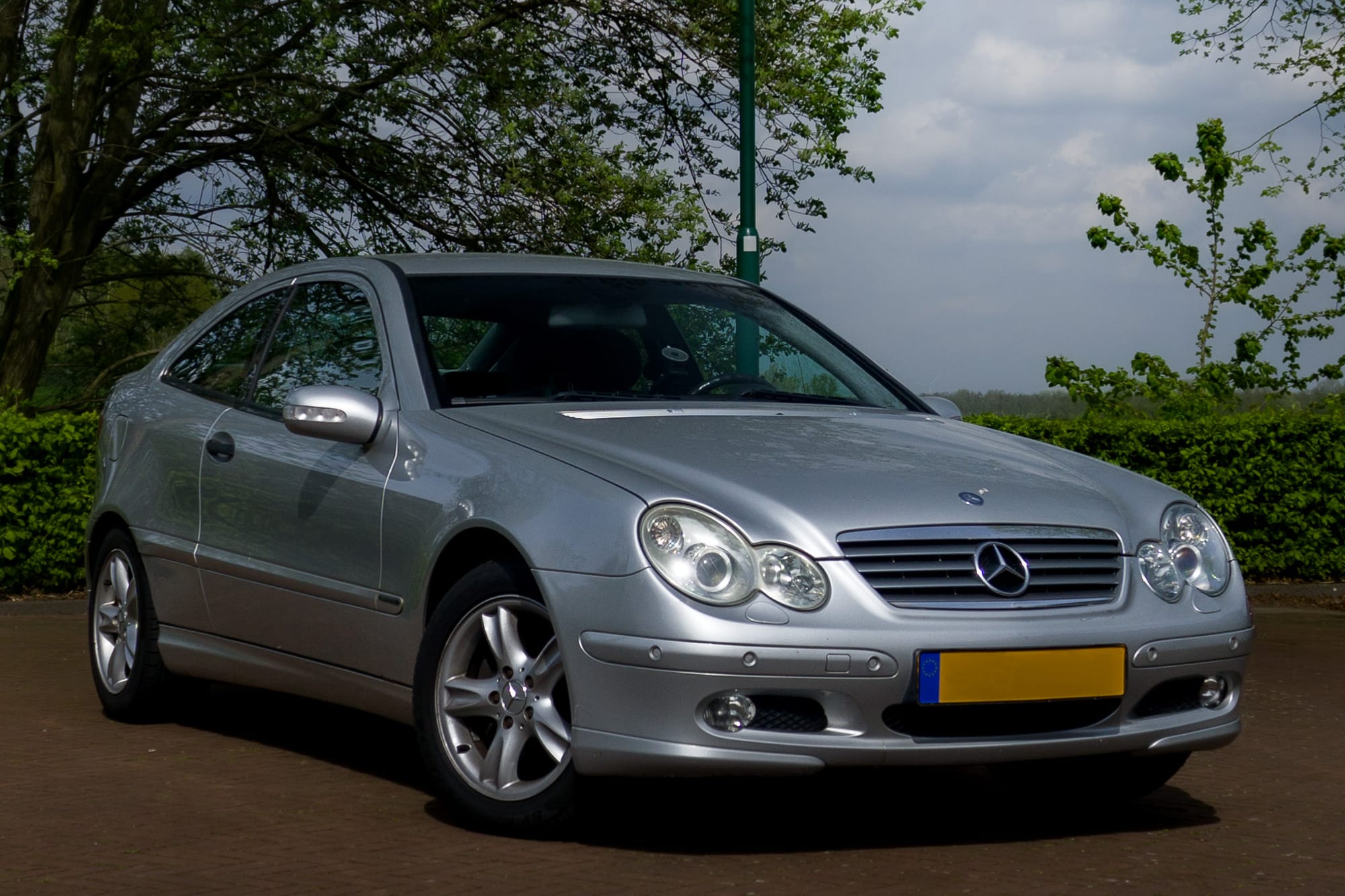
When it comes to capturing the beauty and power of automobiles, choosing the right camera is as crucial as selecting the perfect car for a road trip. The debate between DSLR (Digital Single-Lens Reflex) and mirrorless cameras has been a hot topic among photographers, especially those passionate about car photography. In this blog post, we’ll break down the advantages of each type to help you decide which one will best fuel your car photography passion.
Understanding the Basics
Choosing between DSLR and mirrorless cameras for car photography involves understanding the fundamental differences and unique advantages of each type. Here’s a detailed look at what sets them apart:
DSLR Cameras:
- Optical Viewfinder: Provides a clear, real-time view through a mirror mechanism.
DSLRs utilize an optical viewfinder that provides a clear, real-time view of the scene through a mirror mechanism. This mirror reflects light from the lens up to the viewfinder, giving you a direct optical view of your subject. This can be particularly advantageous in bright outdoor settings, such as car shows or races, where glare on an electronic screen might hinder visibility.
- Battery Life: Generally superior due to the absence of an electronic viewfinder.
Generally DSLRs offer superior battery life compared to mirrorless cameras. This is largely due to the absence of an electronic viewfinder and fewer power-hungry components. For car photographers, this means longer shooting sessions without needing to carry extra batteries. If you’re covering an all-day car event or a lengthy photoshoot, a DSLR’s robust battery performance can keep you shooting without interruptions.
- Lens Variety: Offers a vast selection of lenses and accessories, benefiting from years of market presence.
One of the major strengths of DSLRs is the extensive variety of lenses and accessories available. With decades of market presence, DSLRs have a broad ecosystem of lenses ranging from ultra-wide angles to super-telephoto zooms, and specialized lenses like tilt-shift and macro. This wide selection allows car photographers to choose the perfect lens for any situation, whether capturing sweeping car landscapes or intricate details.
Mirrorless Cameras:
- Electronic Viewfinder (EVF): Displays a digital preview, allowing real-time exposure and settings adjustments.
Mirrorless cameras feature an electronic viewfinder that displays a digital preview of the image. This allows you to see exposure, white balance, and depth of field adjustments in real-time. The EVF is particularly beneficial in low-light conditions where an optical viewfinder might struggle. It also provides a more accurate representation of the final image, which can save time in post-processing.
- Compact Design: Lighter and more portable without the bulky mirror box.
The mirrorless cameras are designed without the bulky mirror box found in DSLRs, making them significantly lighter and more portable. This compact design is a boon for car photographers who often need to move quickly and carry their gear for extended periods. Whether you’re navigating crowded car shows or shooting from various angles around a vehicle, the lighter weight and smaller size of mirrorless cameras can make a big difference in ease of use and fatigue reduction.
- Cutting-Edge Features: Often includes advanced autofocus, higher frame rates, and other modern tech.
Mirrorless cameras are often at the forefront of camera technology. They frequently include advanced features such as superior autofocus systems with face and eye detection, higher frame rates for burst shooting, and improved video capabilities. These innovations can be particularly useful in car photography. For instance, the fast and accurate autofocus can help capture sharp images of moving cars, while high frame rates allow for capturing rapid sequences, perfect for action shots at races.
By understanding these basics and the distinct advantages of each camera type, car photographers can make a more informed decision that aligns with their specific needs and shooting style. Whether you prioritize the real-time view and lens variety of a DSLR or the cutting-edge features and portability of a mirrorless camera, knowing these details will help you choose the right tool to elevate your car photography.
Why Choose a DSLR for Car Photography?
1. Optical Viewfinder: The optical viewfinder in DSLRs gives you an uninterrupted, lag-free view of your subject. This is particularly beneficial when capturing fast-moving cars at races or shows.
2. Battery Life: Planning an all-day car shoot? DSLRs usually offer longer battery life, meaning fewer interruptions and more time focusing on getting the perfect shot.
3. Robust Build: DSLRs are typically built to withstand harsh conditions. Their rugged, weather-sealed bodies can handle the unpredictable elements you might face during outdoor car photography.
4. Extensive Lens Options: From wide-angle lenses for capturing the full sweep of a car show to telephoto lenses for zooming in on intricate details, DSLRs offer a versatile range of lenses to suit every car photography need.
Why Choose a Mirrorless Camera for Car Photography?
1. Real-Time Preview: The EVF on mirrorless cameras lets you see how exposure, white balance, and depth of field adjustments affect your shot in real-time. This feature is a game-changer for getting perfect photos on the first try.
2. Compact and Lightweight: Mirrorless cameras are lighter and easier to carry around, ideal for long shoots or crowded car events where mobility is key.
3. Superior Autofocus: Many mirrorless cameras feature advanced autofocus systems with face and eye detection, ensuring sharp images of moving cars or candid shots at events.
4. Silent Shooting: Silent shooting modes allow you to capture images discreetly, perfect for events where noise can be distracting.
Key Considerations for Car Photography
1. Shooting Style: Think about where and how you shoot. If you're often in dynamic, fast-paced settings, the advanced autofocus and real-time preview of a mirrorless camera might be beneficial. For more controlled environments, the robust build and longer battery life of a DSLR could be more suitable.
2. Budget: While both camera types have a range of prices, mirrorless cameras can sometimes be more costly, especially when considering lenses and accessories. Evaluate your budget and consider the long-term investment.
3. Future-Proofing: Mirrorless technology is rapidly advancing, with many predicting it to be the future of photography. Investing in a mirrorless system might offer more longevity as the industry continues to innovate.
Car Photography Tips for DSLR and Mirrorless Users
1. Mastering Light and Angles: Regardless of your camera choice, mastering light and angles is essential. For car photography, the golden hours—shortly after sunrise and before sunset—offer the best natural light. Experiment with various angles to highlight the car’s design and features.
2. Understanding Car Motion: Capturing cars in motion requires skill and practice. Use panning techniques to keep the car sharp while blurring the background, creating a sense of speed. Both DSLRs and mirrorless cameras with high-speed continuous shooting modes excel in this area.
3. Focus on Details: Detail shots can make a car photography portfolio stand out. Whether it’s the intricate design of the headlights, the texture of the interior, or the sleek lines of the body, both camera types can capture these beautifully. Macro lenses for DSLRs and mirrorless systems are perfect for these close-up shots.
4. Post-Processing Power: Post-processing is a vital part of car photography. Editing software like Adobe Lightroom or Photoshop can enhance your images significantly. Both DSLR and mirrorless cameras produce high-quality RAW files that offer greater flexibility during editing.
Real-World Examples and Testimonials
1. DSLR Success Stories: Many professional car photographers have built their careers using DSLRs. For instance, renowned automotive photographer Tim Wallace has used DSLRs extensively to capture stunning images of luxury cars. His work demonstrates the robustness and versatility of DSLR cameras in professional car photography.
2. Mirrorless Marvels: On the flip side, photographers like Larry Chen have embraced mirrorless technology, praising its compactness and advanced features. Chen’s dynamic shots of car races and street scenes highlight the capabilities of mirrorless cameras in capturing fast-paced automotive action.
Conclusion
Both DSLR and mirrorless cameras have unique strengths that can elevate your car photography. If you value battery life, a wide selection of lenses, and an optical viewfinder, a DSLR might be your ideal choice. On the other hand, if you prefer real-time previews, advanced autofocus, and a lighter design, a mirrorless camera could be the perfect match.
Ultimately, the best camera for car photography is the one that aligns with your preferences and shooting style. Consider what features are most important to you and gear up for an exciting photography journey. Happy shooting!
Stay Ahead of the Curve: Subscribe for More Insights
The world of automotive photography is ever-evolving, and staying up-to-date with the latest trends, techniques, and business strategies is crucial for your success. Subscribe to our blog to receive exclusive tips, tricks, and industry insights delivered straight to your inbox.
By subscribing, you'll gain access to a wealth of valuable resources, including:
- In-depth guides on advanced photography techniques
- Expert advice on marketing and growing your business
- Behind-the-scenes looks at stunning car photoshoots
- Announcements of new product releases and special offers
Don't miss out on the opportunity to elevate your skills and stay ahead of the competition. Subscribe now and unlock a world of knowledge tailored specifically for car photography enthusiasts.